
Once días.
Me invitaron a una exposición individual en Tokio. De aquellas me veía con una chica japonesa, y cuando terminó el montaje me quedé pintando graffiti con amigos: el monorraíl de Dreamland Nara — un parque de atracciones abandonado en el que nos colamos sorteando la seguridad —, un Love Hotel abandonado, y sitios ilegales en altura en Shibuya. Al día siguiente de lo de Nara pillaron a otros amigos que habían ido después que nosotros.
A mí me detuvieron en la ciudad. Me dijeron que serían veinte días de prisión preventiva y que, según el abogado de oficio — no tenía dinero para pagar otro —, podía irme a seis meses. Pánico total.
Vino un funcionario de la embajada española. «Tenía cara de japonés pero era argentino y hablaba con acento argentino, lo cual me voló la peluca.» Me dijo lo único que en Japón funciona: decir la verdad y mostrar arrepentimiento.
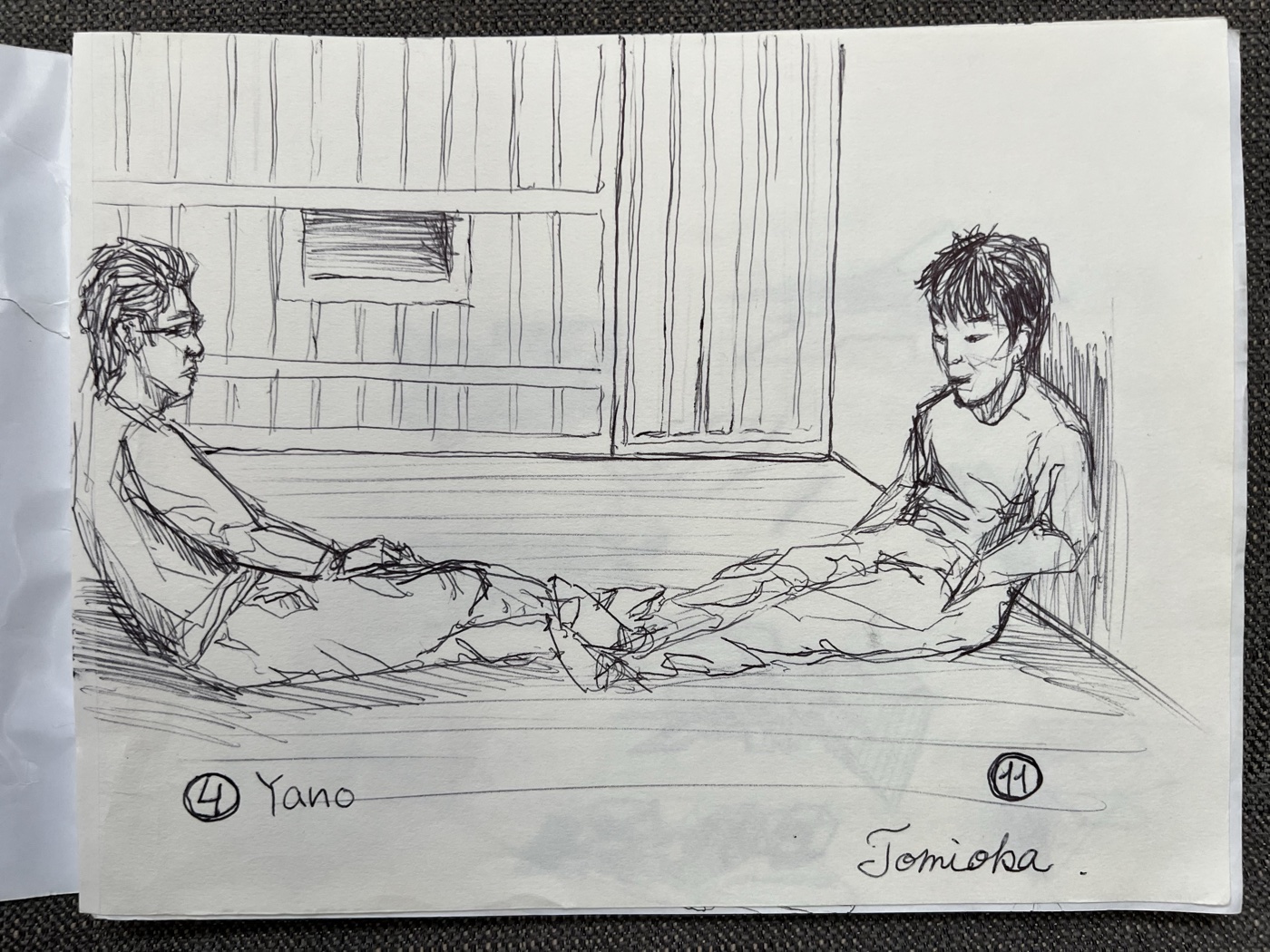
Fui dos veces al juzgado, en autobús, encadenado con el resto de presos. La segunda vez rompí a llorar delante de la fiscal, con traductor. El abogado llegó a un acuerdo amistoso con los denunciantes. La celda —blanca, toda blanca, «un trip muy loco»— la compartía con dos japoneses que solo hablaban japonés; habían atracado un izakaya a punta de pistola. Mi novia venía de vis-a-vis y le gritaban porque ahí solo se podía hablar japonés.
El día once me soltaron sin previo aviso. «Estaba mentalizado para más de seis meses — fue duro.» Cinco años después volví a Japón y no tuve ningún problema.
«A veces hace falta una experiencia ultra dura para salir mejor.»
«Ahí me tomé muy en serio mi carrera como artista. Empecé a estructurar cosas.»
«Durante años conté que el manifiesto lo escribí en la celda. No es verdad: lo había firmado un año antes en València. Lo que pasó en la celda fue más serio — me di cuenta de que una cosa es manifestar y otra accionar. Al salir, accioné.»
Corrección del propio artista, 4 de julio de 2026. La versión antigua sobrevive en entrevistas de la época; se conserva en la página del manifiesto, etiquetada como lo que es: la leyenda.
Diecinueve páginas fotografiadas años después. Entre ellas, el diagrama oficial del procedimiento penal japonés con las fechas anotadas a mano — detención y liberación marcadas a once días exactas de distancia (el año, 2013 o 2014, sigue por fijar) — y los cuadernos donde el lenguaje del estudio se está inventando en bolígrafo: formas angulosas, estudios de firma fechados «’14».
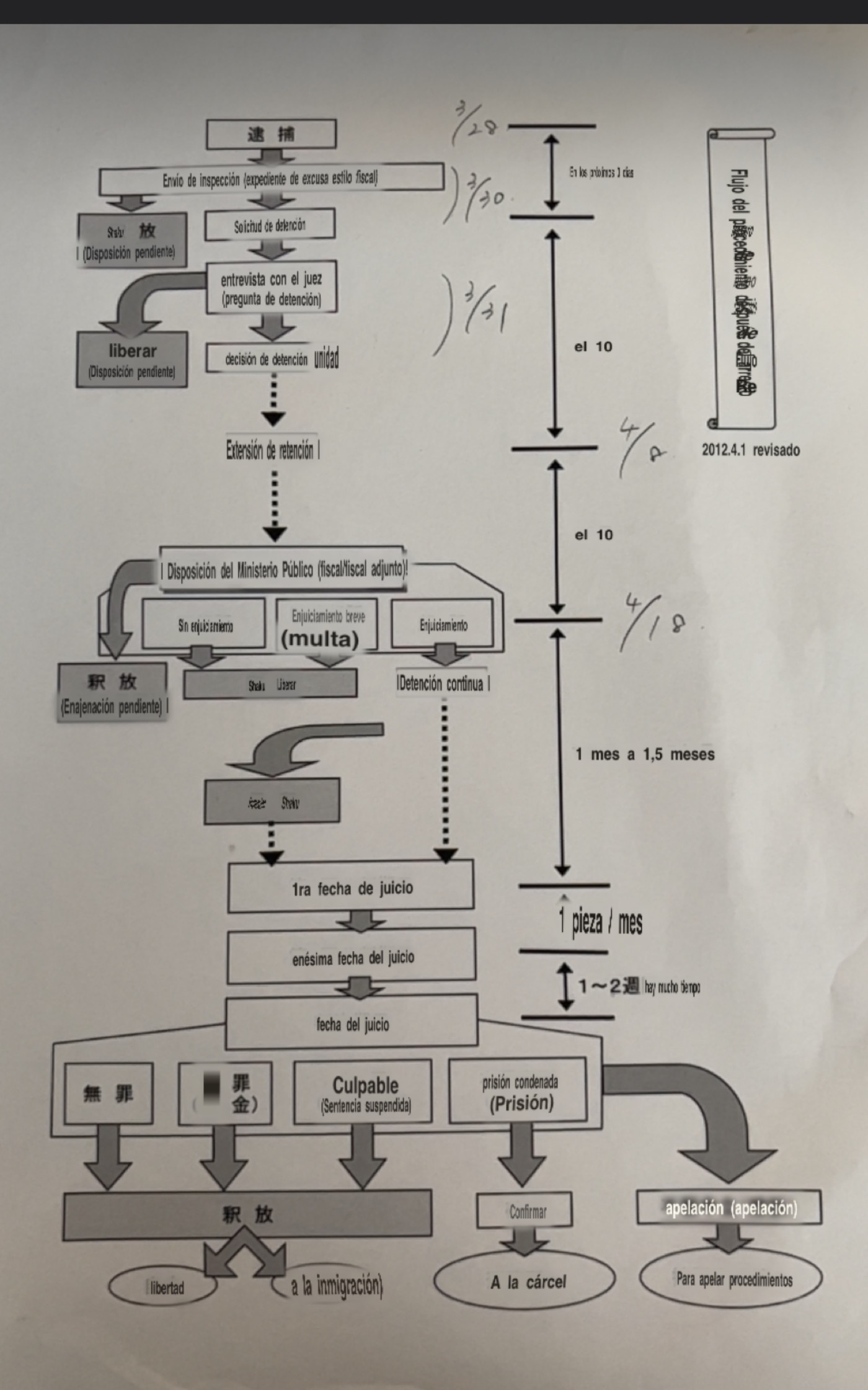
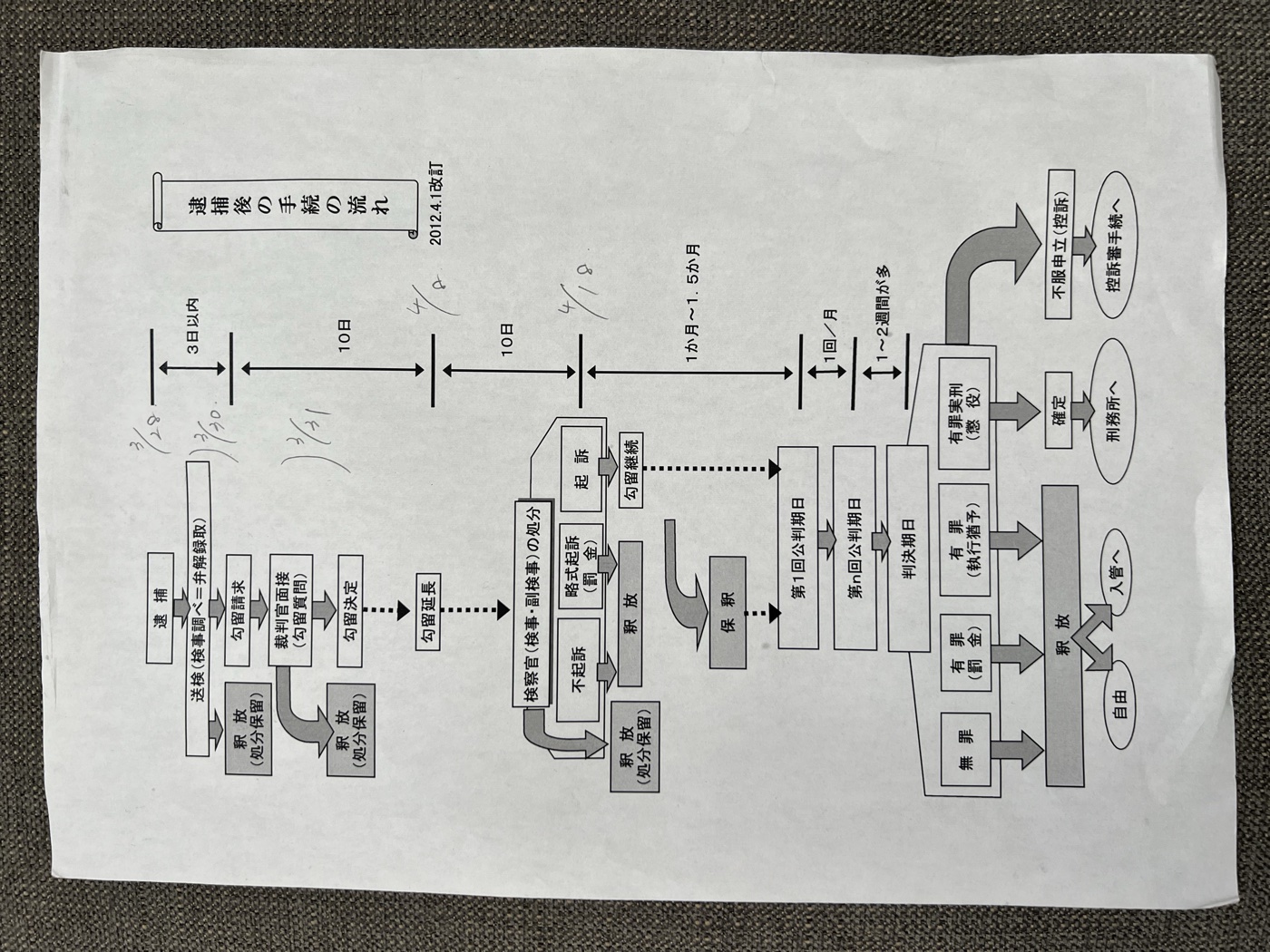
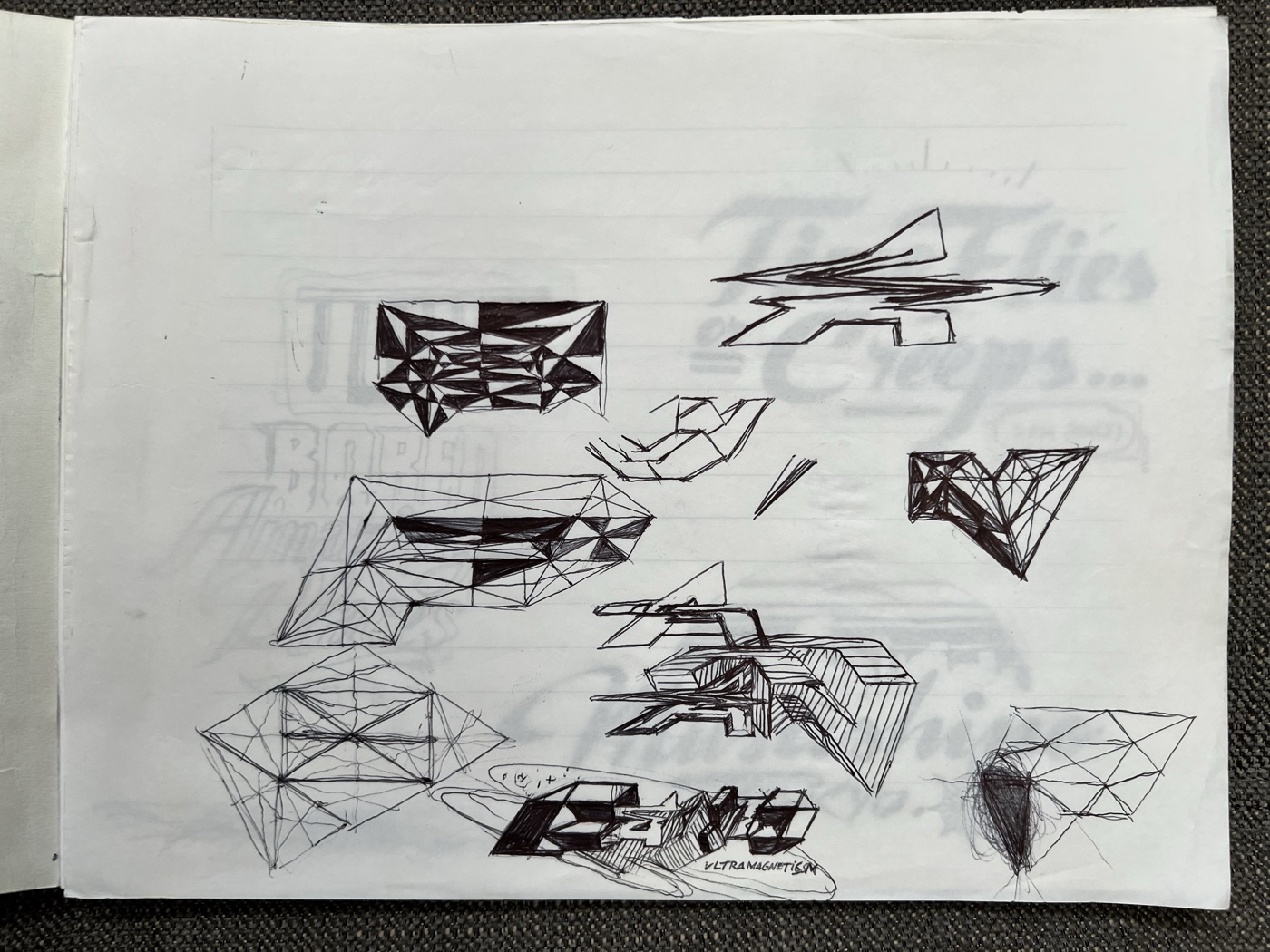
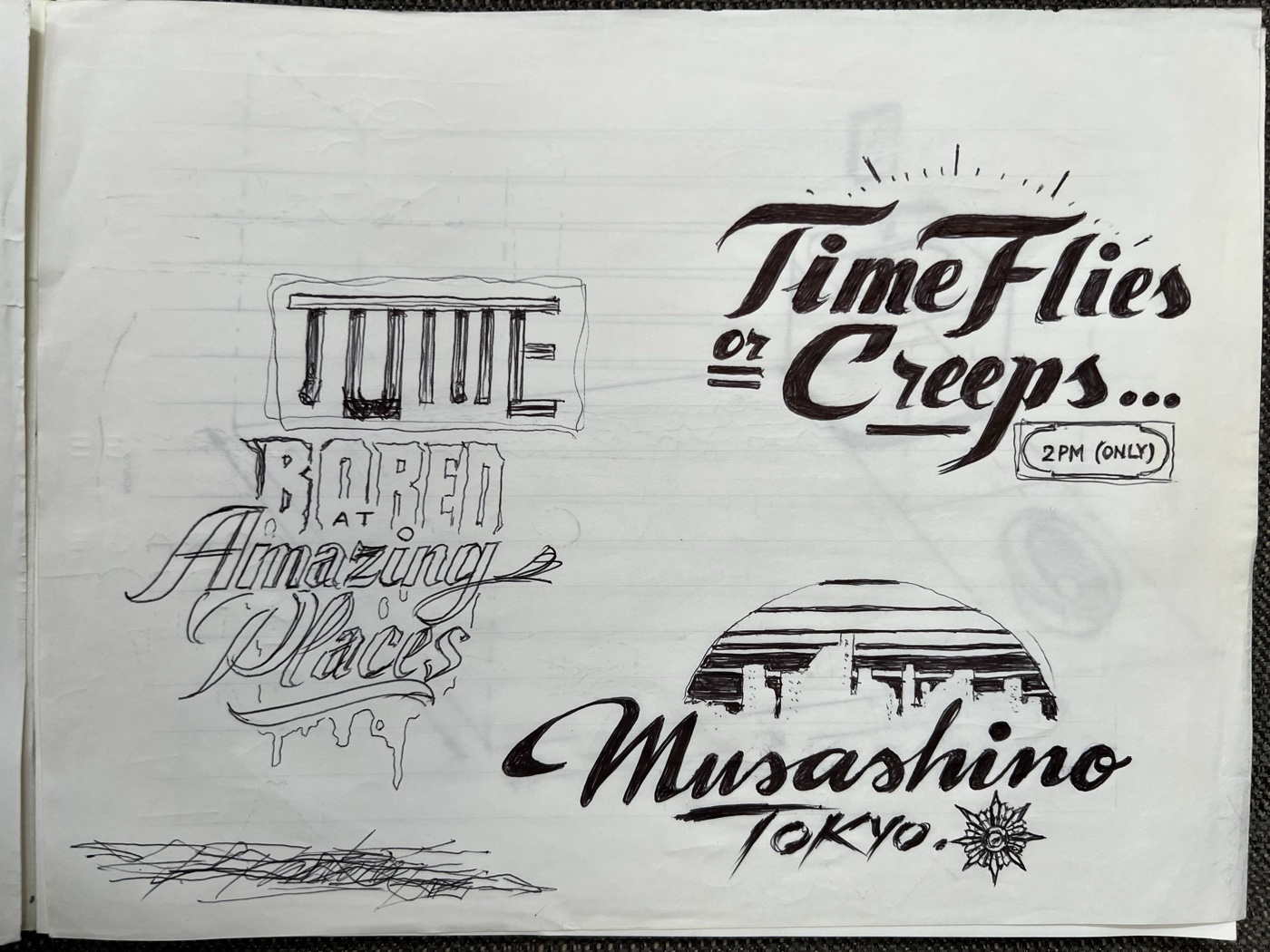
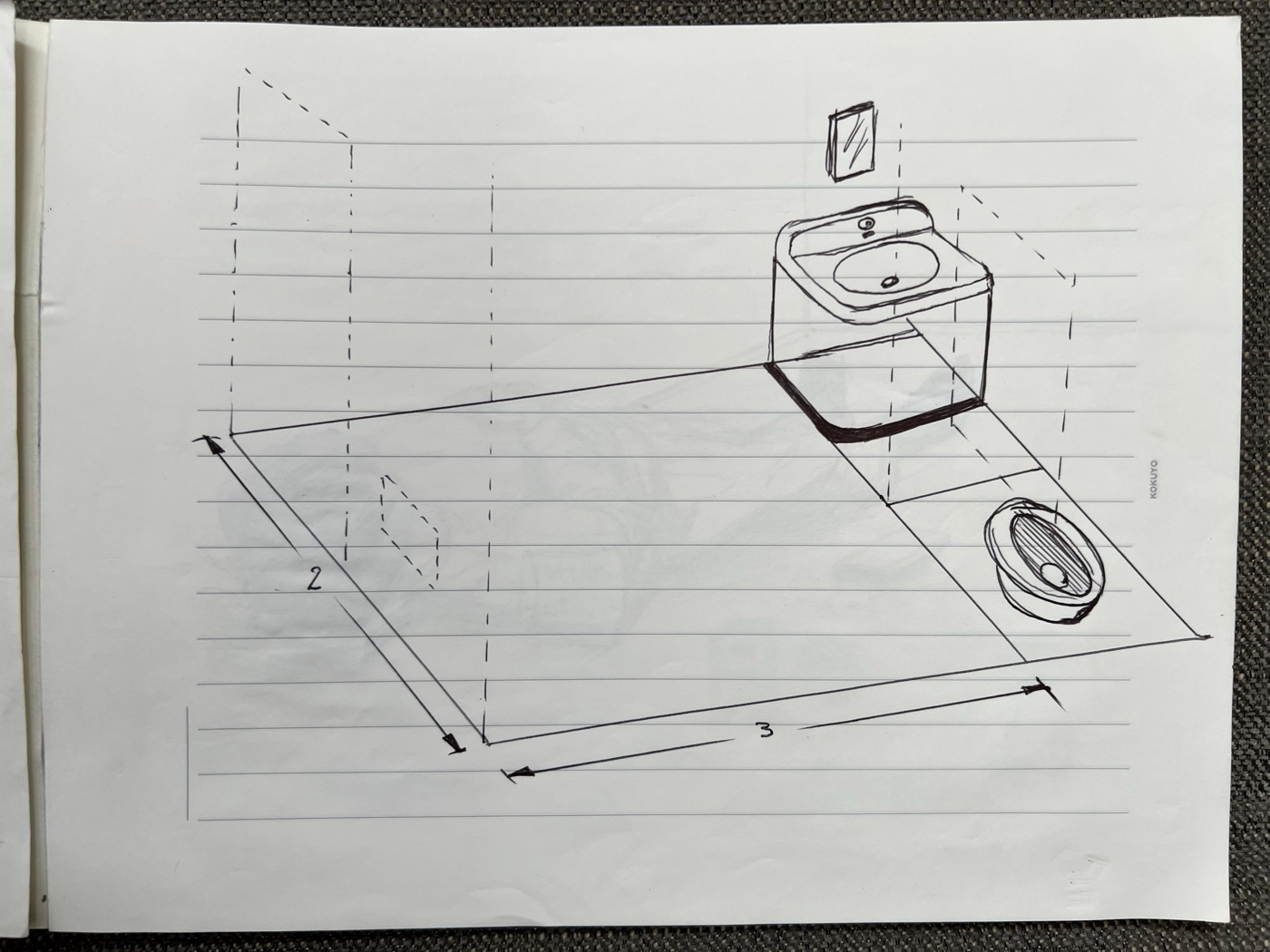
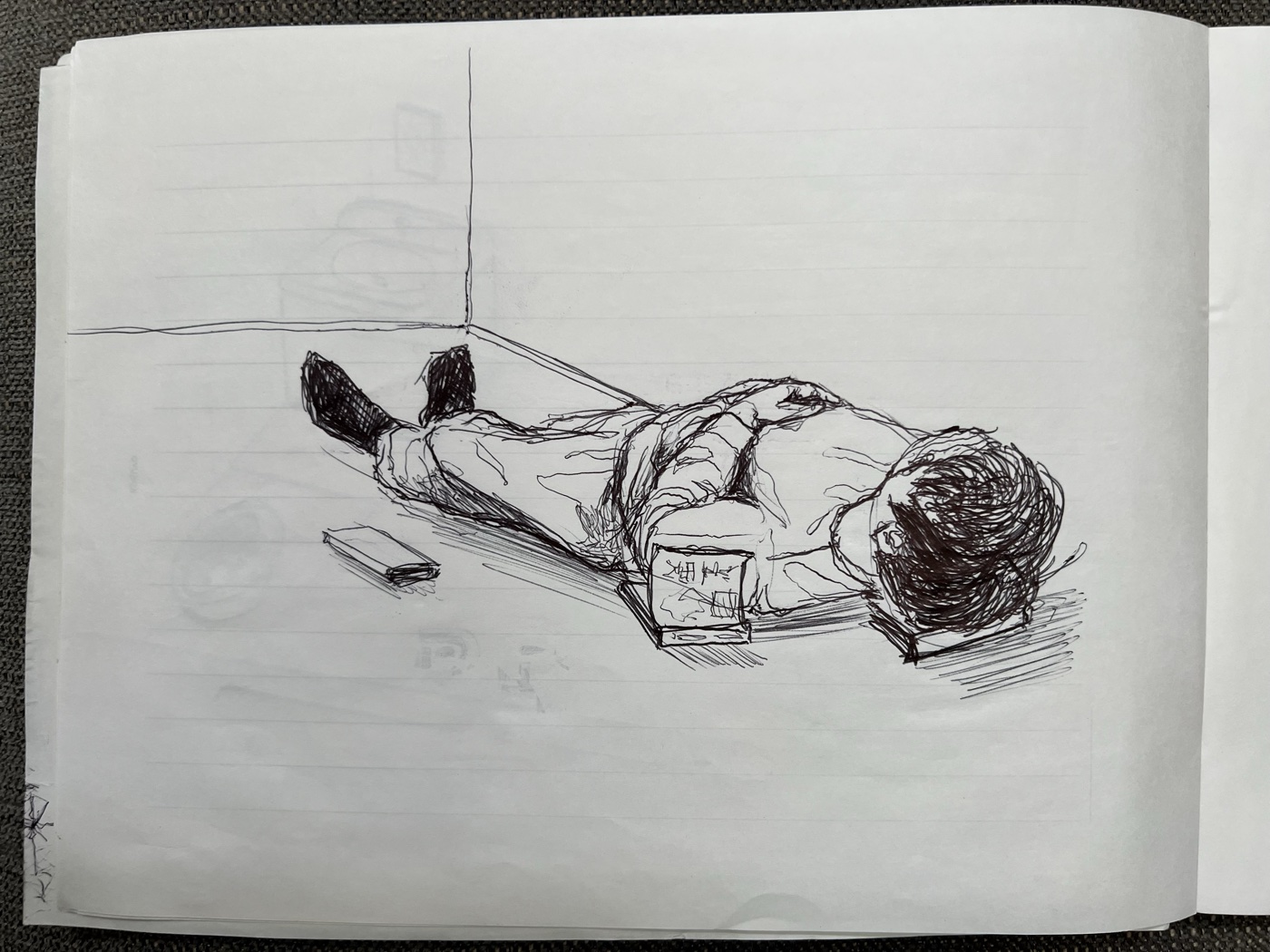
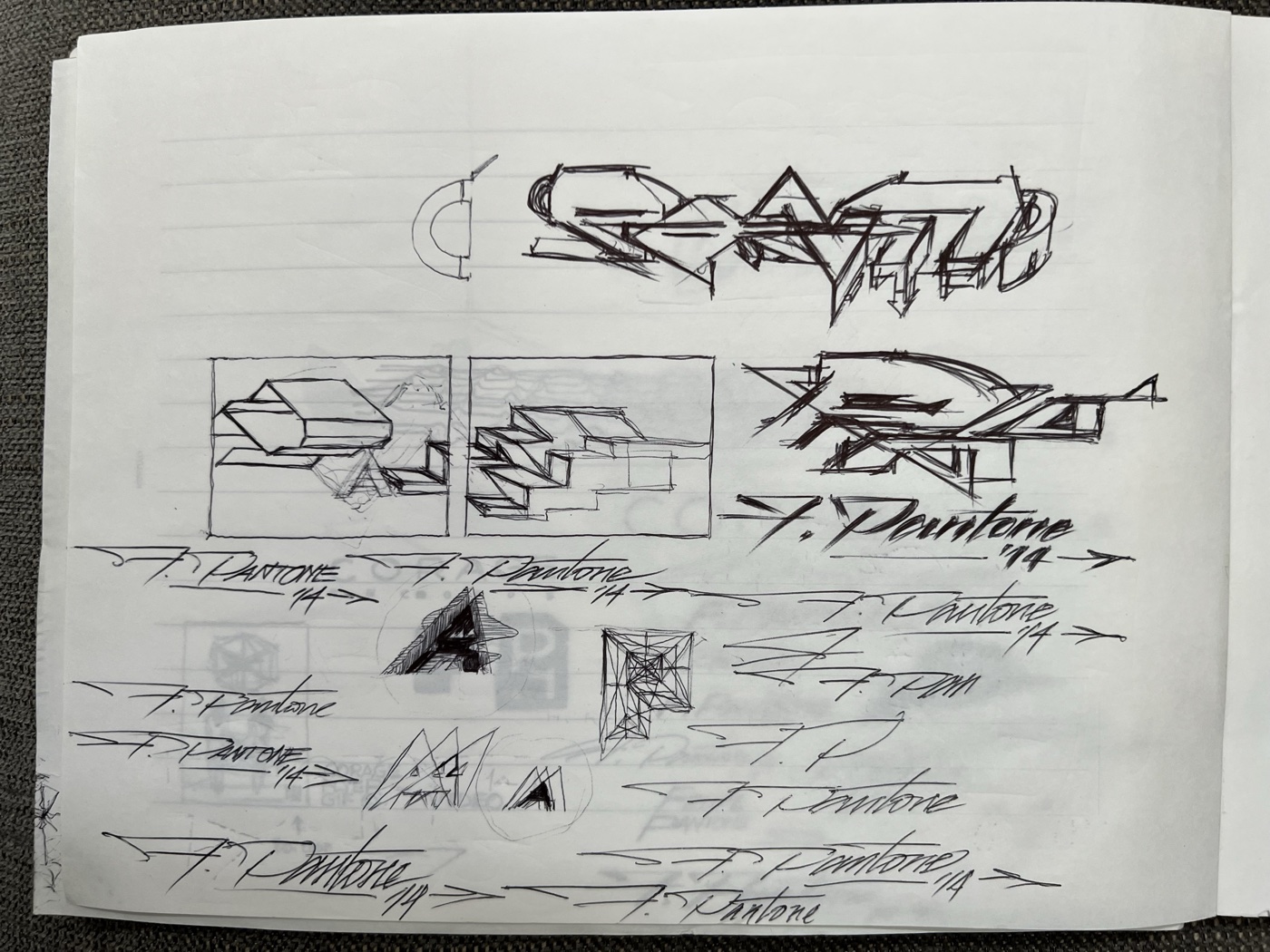
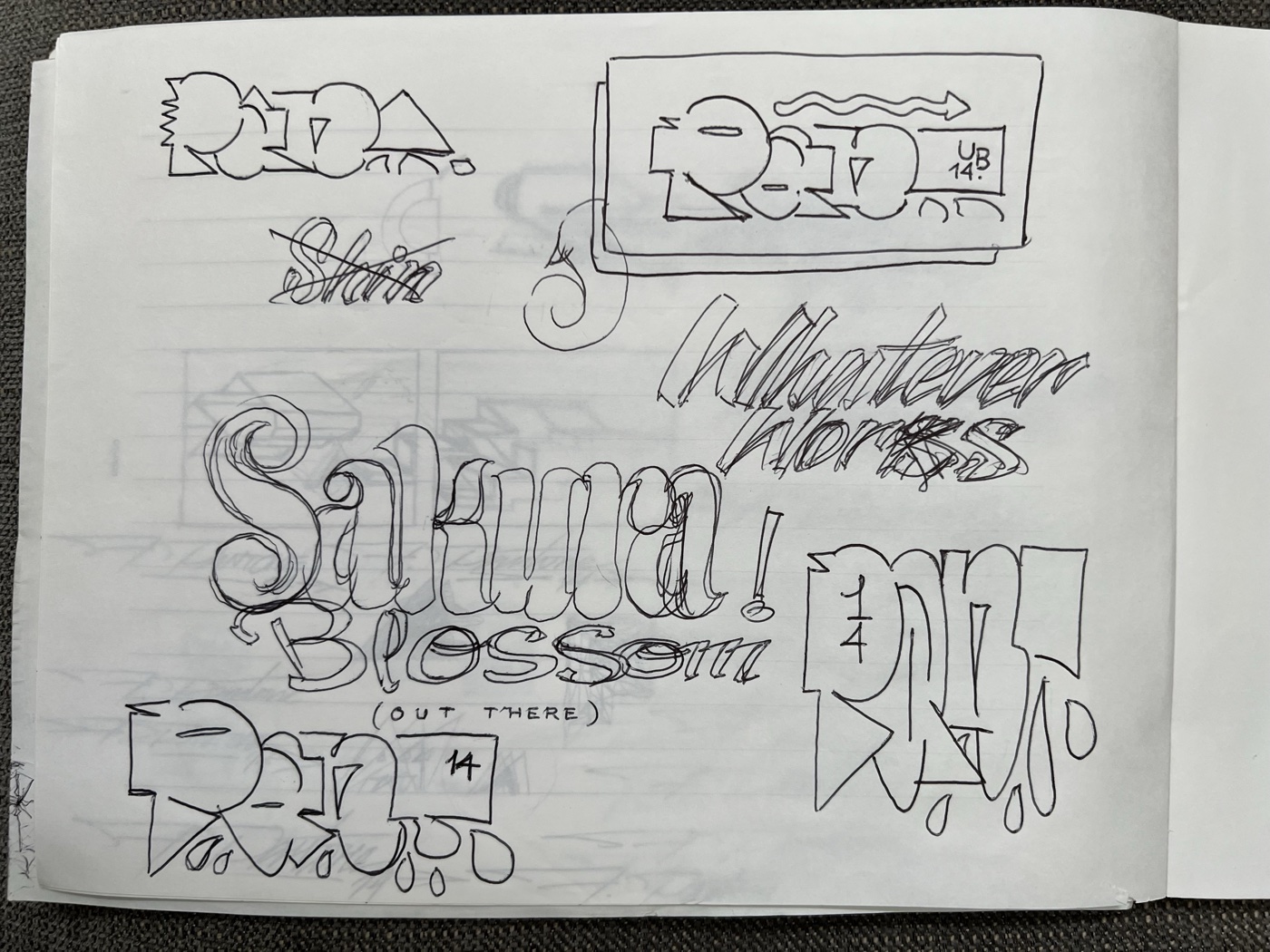
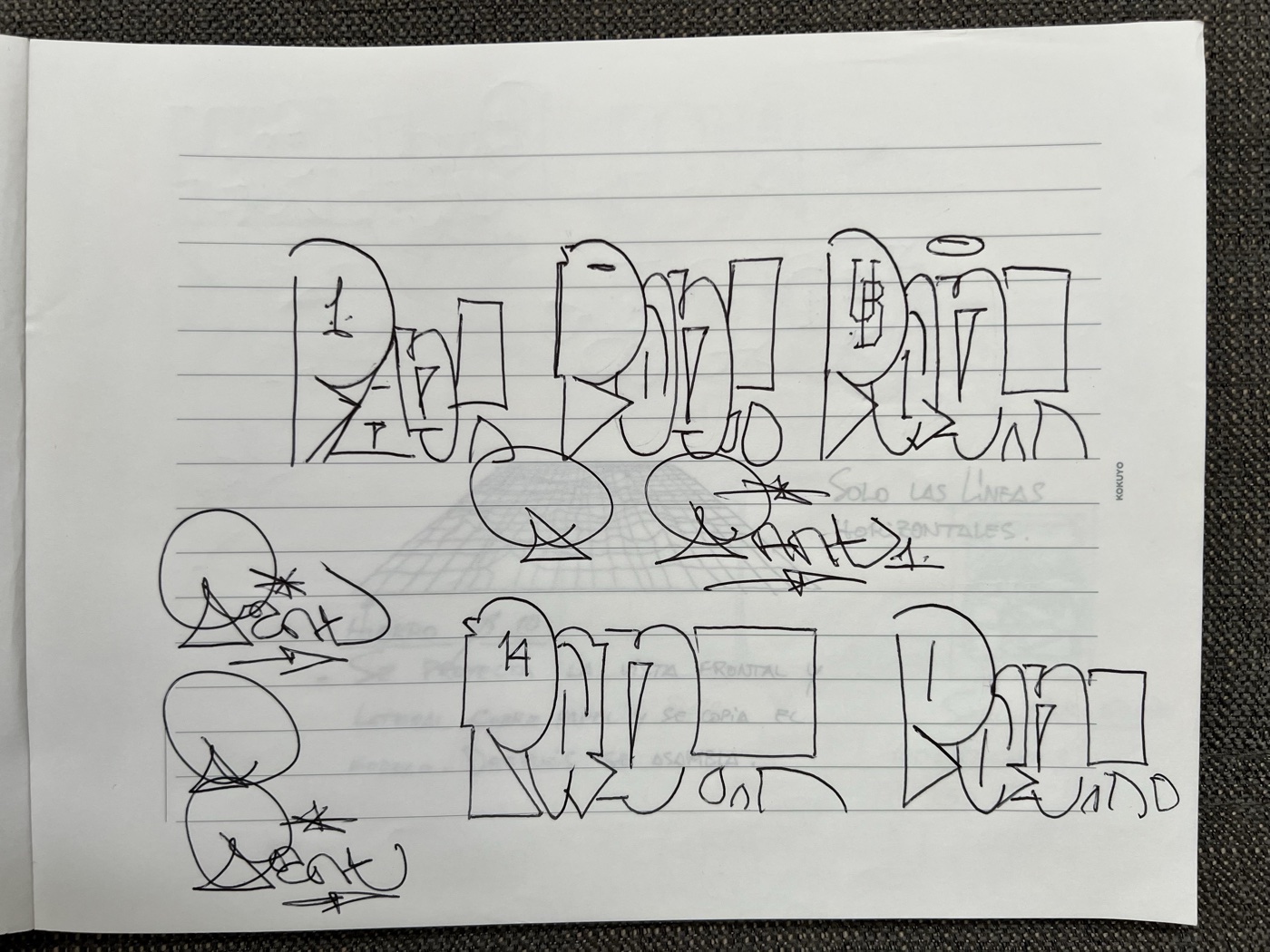
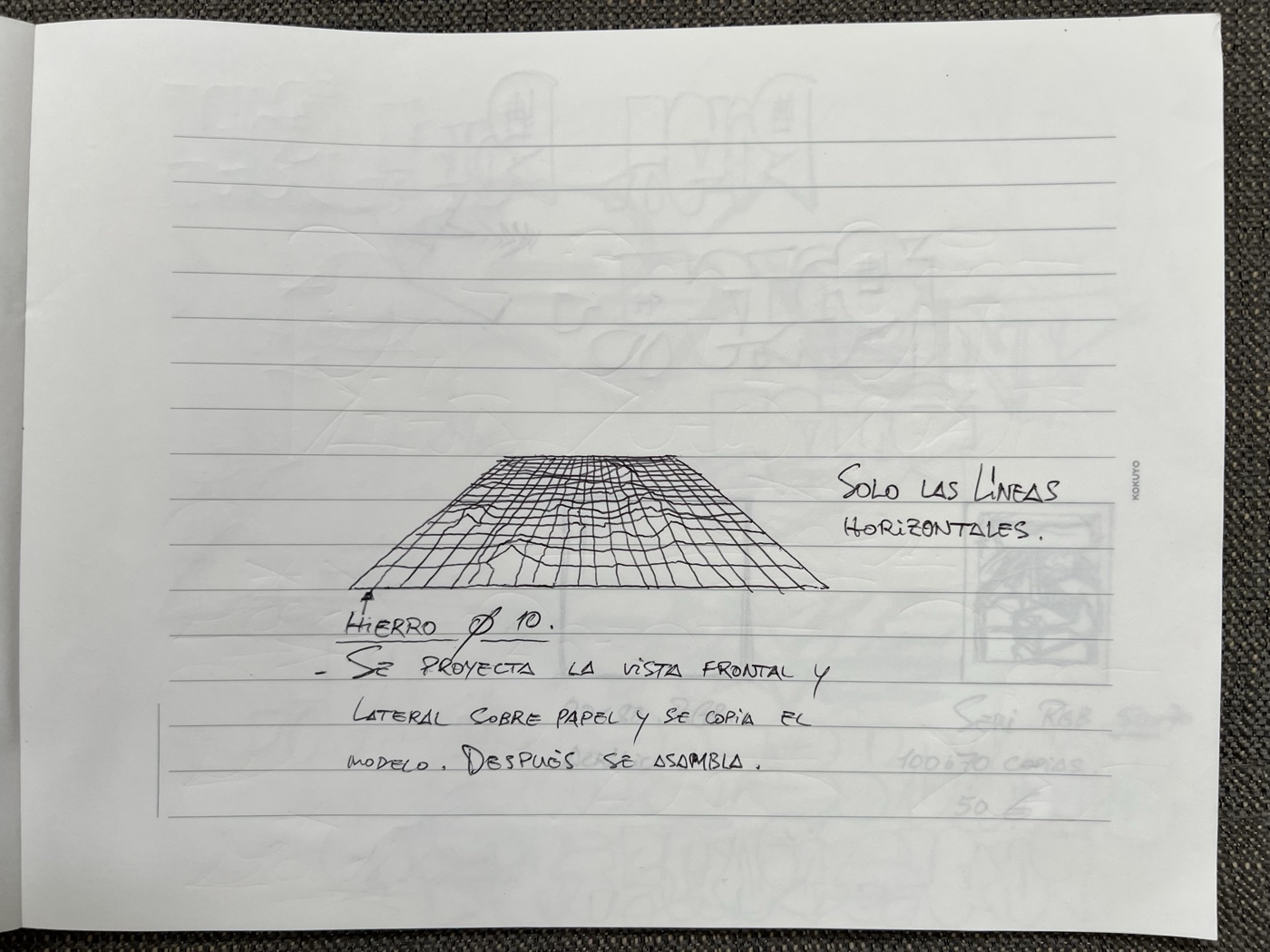
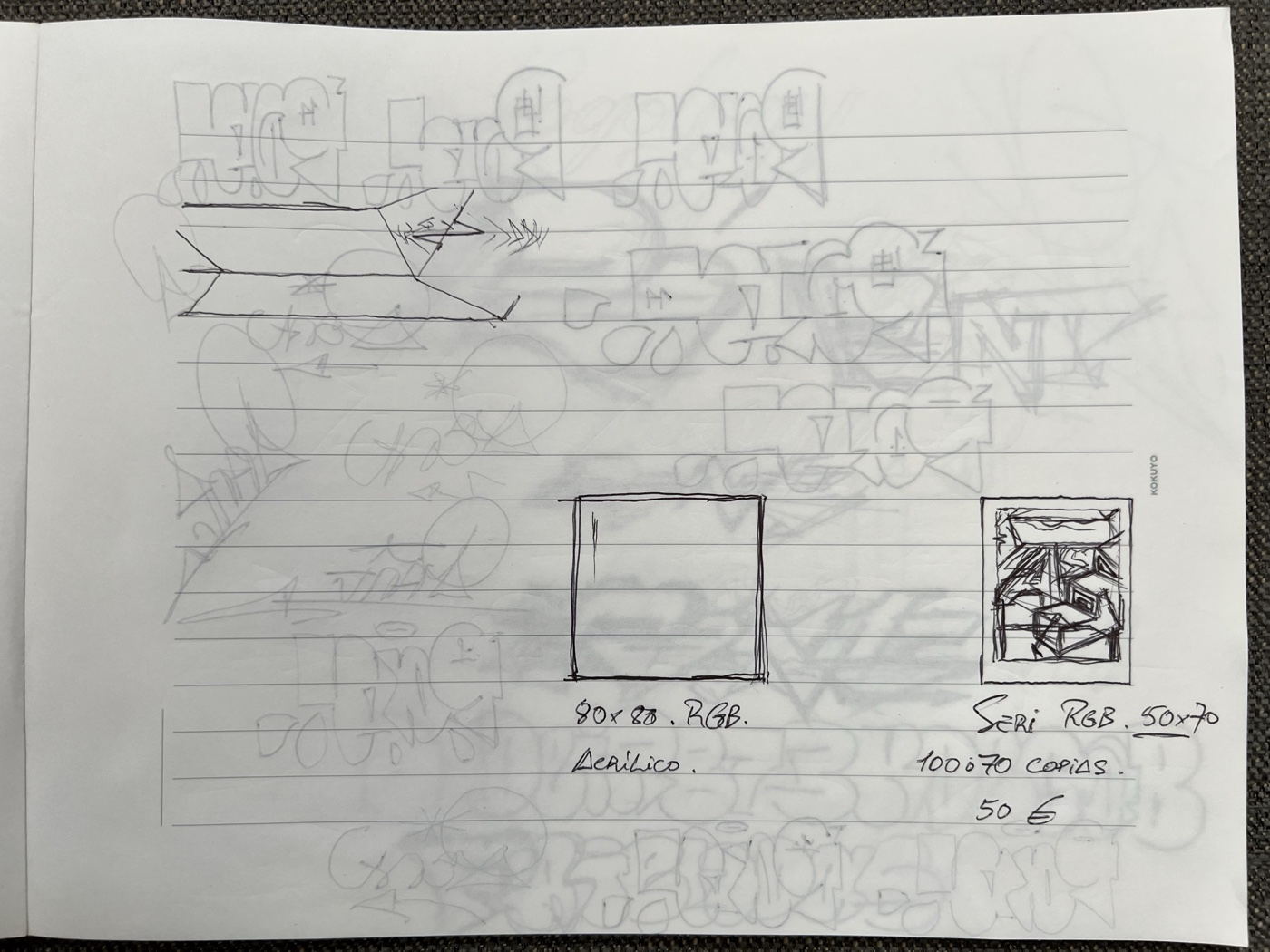
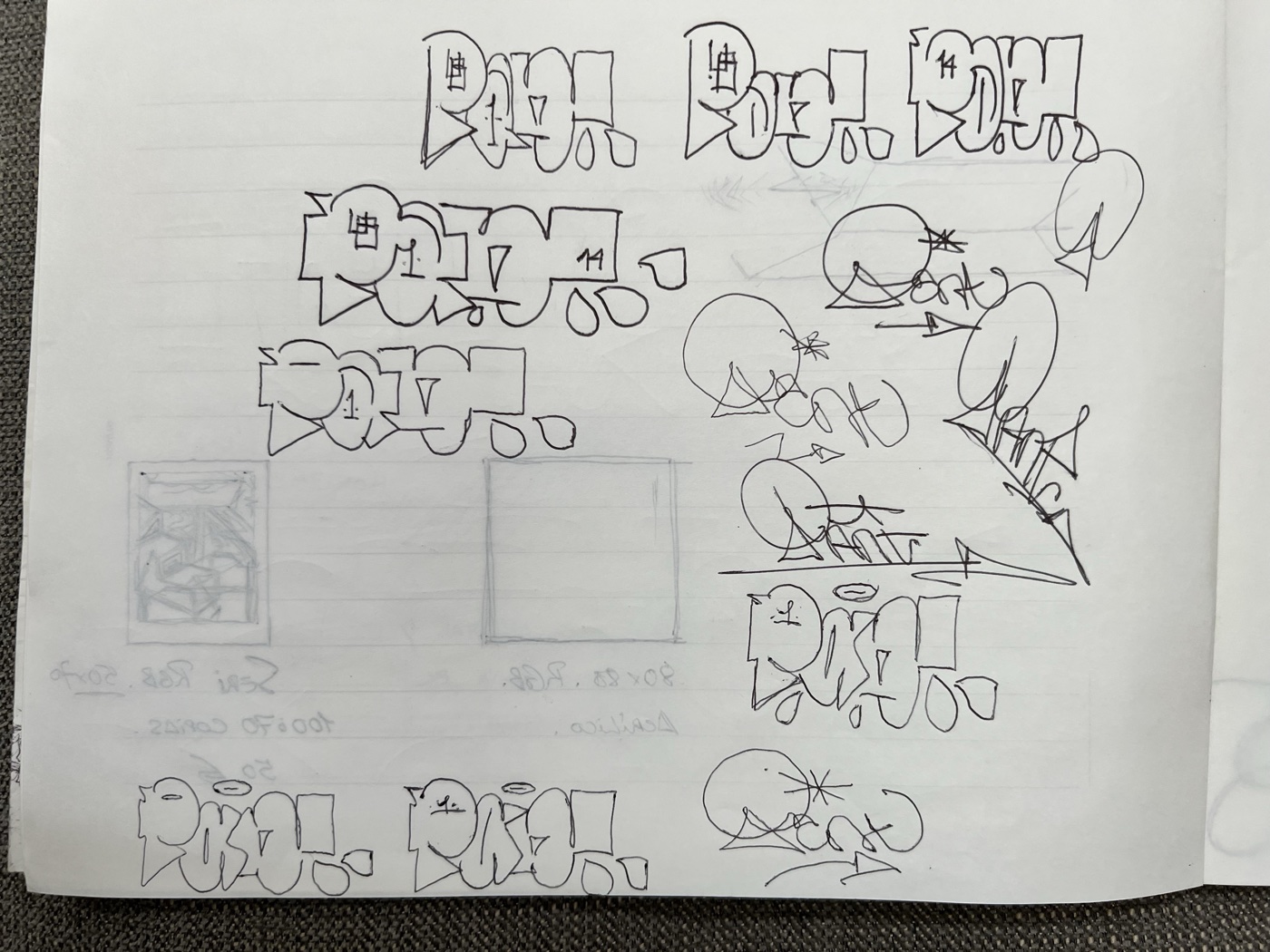
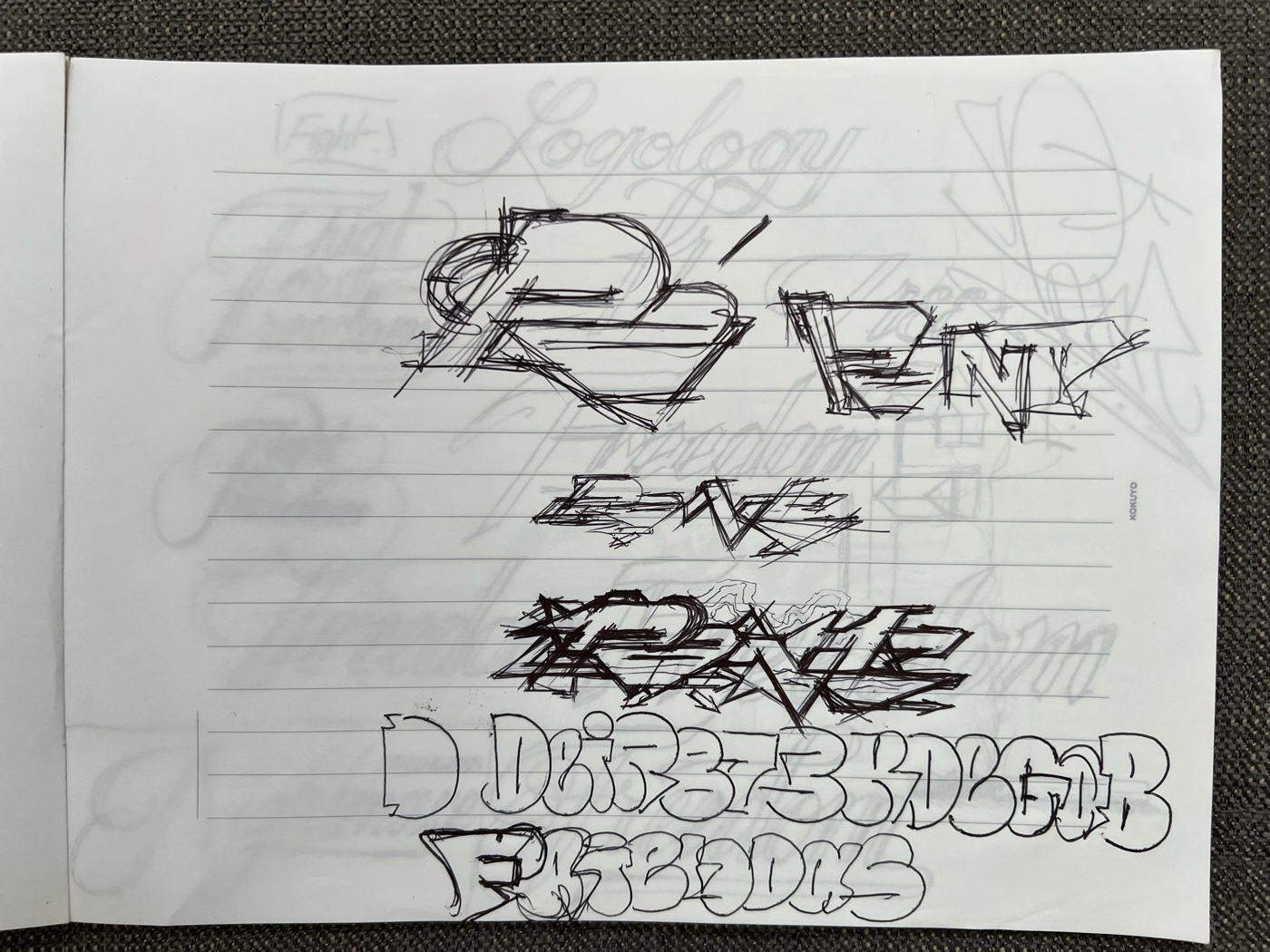
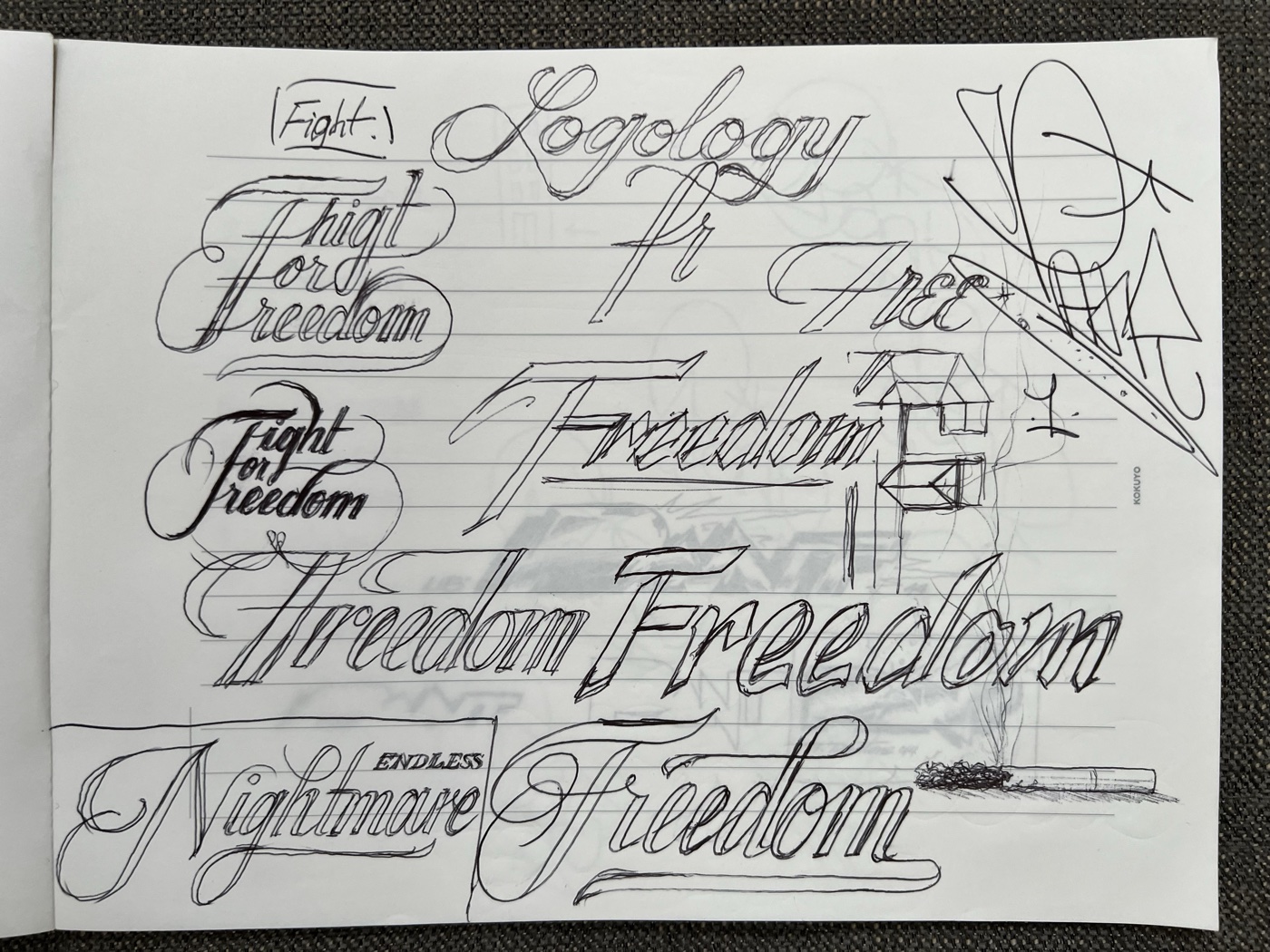
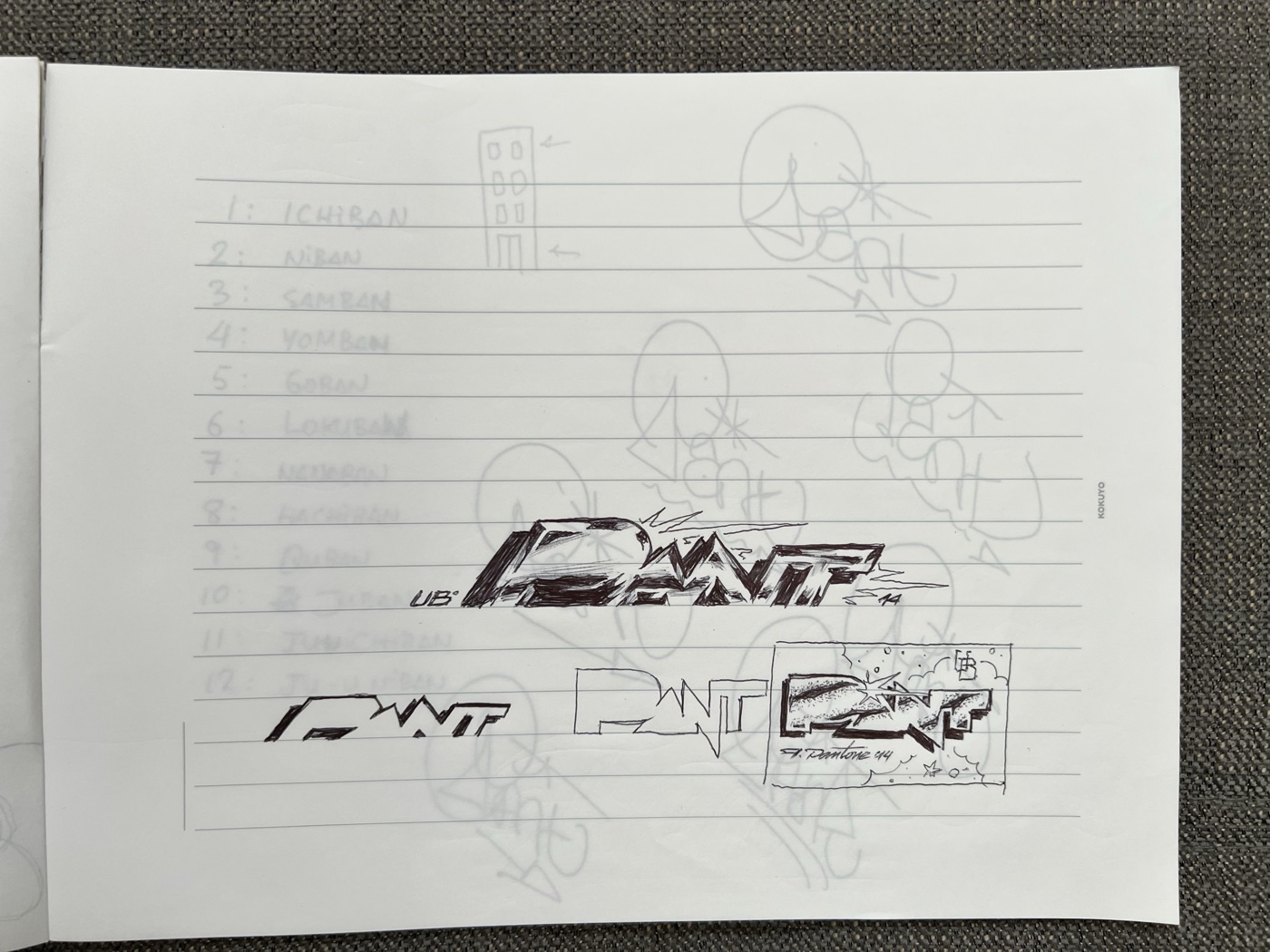
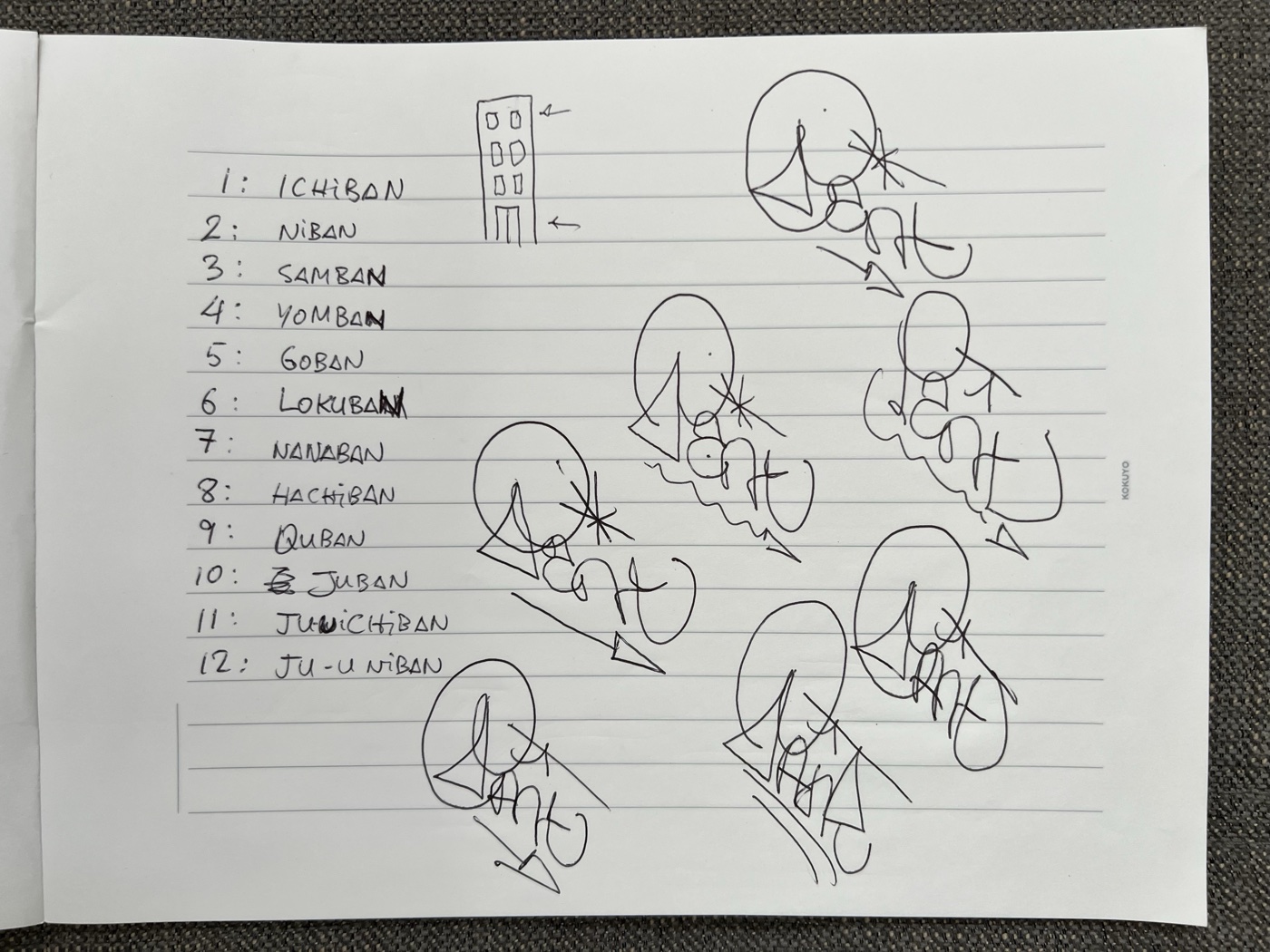
El diagrama del proceso, anotado: once días exactos entre detención y libertad.
Abierto, honestamente: el año exacto —2013 o 2014— se está fijando contra la fecha del Manifiesto Ultradinámico (firmado en València, nov. 2013). Felipe nombra la exposición «Perpetual Mobile», en la galería Fifty-Five DSL; el registro documenta «Perpetuum Mobile», Studio55 (2014). Ninguna de las dos discrepancias está resuelta — quedan señaladas, no forzadas a un cierre limpio.
Relato de Felipe Pantone, 4 de julio de 2026.